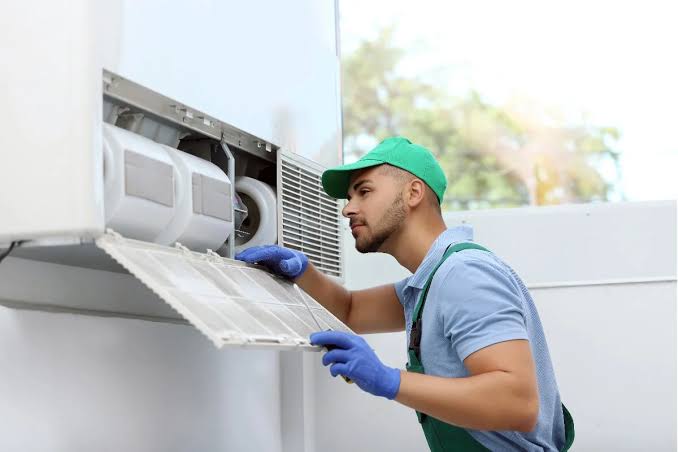
Months of construction can leave more behind than fresh walls, new floors, and updated rooms. Fine dust from cutting, sanding, drilling, and demolition can drift into vents and settle inside hidden HVAC pathways. Homeowners searching for HVAC cleaning near me often start looking after a long project ends and the house still feels dusty despite repeated cleaning.
Construction Dust Can Travel Far Beyond the Work Zone
Drywall dust, sawdust, insulation fibers, tile powder, and paint particles can move through a home even when the work area is sealed off. Lightweight debris slips through door gaps, temporary barriers, floor openings, and return vents. Long-term projects create repeated exposure, which gives dust more chances to collect inside the HVAC system. Air movement can spread those particles through rooms that were never under construction. Once heating or cooling runs, returns may pull fine dust into the system and push it back through supply vents. HVAC cleaning can help remove this trapped material from areas that ordinary sweeping, mopping, or surface dusting cannot reach.
Return Vents Often Pull in the Heaviest Debris
Return vents act like intake points for the HVAC system. During construction, they can pull in airborne dust from nearby sanding, framing, flooring, or cabinet work. Even covered returns may still collect debris if protective materials shift, tear, or leave small openings around the edges. Dirty returns can affect the whole system because air passes through them before reaching deeper components. Dust that enters here may settle inside duct runs, blower areas, and filter compartments. HVAC cleaning in Nashville TN can be especially helpful when returns sat close to active work areas for several weeks or months.
Filters May Not Catch Everything During a Long Project
Standard filters help protect HVAC equipment, but they are not designed to handle constant construction dust. Fine particles can clog filters quickly, reducing airflow and allowing some debris to bypass the filter slot. Poorly fitted filters can make the problem worse by leaving gaps around the frame.
Repeated filter changes help, but they cannot remove buildup that already slipped inside the system. A clogged filter may also force the HVAC unit to work harder to move air. Nashville HVAC cleaning can help address the dust that collected behind the filter line after the project is finished.
Duct Interiors Can Hold Fine Particles for Months
Ductwork contains bends, seams, corners, and horizontal sections where dust can settle. Construction particles are often finer than regular household dust, so they can cling to duct surfaces and stay hidden long after the renovation crew leaves. Each system cycle may disturb a small amount and send it back into living spaces.
Persistent dust on furniture can be a clue that particles remain inside air pathways. Clean floors and counters may not solve the issue if the duct system keeps redistributing debris. Professional HVAC cleaning targets these interior areas so the home can move air through cleaner passages again.
Blower Compartments Can Collect Dust Near Moving Parts
Blower compartments help push conditioned air through the home. During a long construction project, dust may gather near the blower wheel, housing, access panels, and nearby equipment surfaces. Buildup around moving parts can affect airflow and make the system less efficient.
Careful cleaning around HVAC components matters because these areas contain mechanical and electrical parts. Technicians should inspect the compartment, explain what can be cleaned safely, and avoid disturbing sensitive equipment. A proper HVAC cleaning service looks beyond visible vents and considers the parts that keep air moving.
Fresh Paint, Adhesives, and Flooring Work Can Leave Odors Behind
Paint, stain, adhesives, grout, sealants, and flooring products can leave odors that linger after construction ends. These smells may cling to dust inside vents and return pathways, especially when the HVAC system ran during the project. Odor problems can feel stronger when the system starts after sitting off for several hours.
Cleaning the duct system may help reduce debris that holds stale smells, although source removal and ventilation still matter. Open windows, proper curing time, and filter changes can all help, but dirty ducts may continue spreading leftover odors. HVAC cleaning gives homeowners another practical step after the major work is complete.
Post-Construction Cleaning Should Include Hidden Air Paths
Professional house cleaning usually focuses on floors, windows, cabinets, baseboards, fixtures, and visible surfaces. Those steps matter, but they do not reach deep into duct runs, plenums, or air handler areas. Long construction timelines make hidden air paths more likely to hold dust because exposure happens again and again.
Including HVAC cleaning after construction creates a more complete reset for the home. It helps connect the final cleanup with the system that circulates air through every room. Homeowners who already invested in major improvements often want the air system addressed before furniture, rugs, and belongings go back into place.
Scheduling Service After the Final Dust-Producing Work Makes Sense
Timing matters because cleaning too early can waste effort. Sanding, cutting, drilling, and flooring work should be finished before the HVAC system is cleaned. Otherwise, new dust may enter the ducts after service and reduce the benefit.
Mr B can help homeowners understand when Nashville HVAC cleaning fits best after long-term construction projects. Their service can support cleaner airflow by addressing dust left in returns, supply ducts, vents, and system access areas once the renovation work is complete.