Homes are being asked to stand up to extreme weather conditions a lot more than they did a decade ago. Materials may deteriorate more quickly than anticipated due to hotter summers, excessive rainfall, cold winds, and extended periods of humidity. As a result, choosing durable construction is turning into one of the best long-term choices a homeowner can make. These are just materials that maintain their shape, are reliable, and don’t require continual care; they aren’t that unnecessary or showy improvements that you’ll regret later.
Exterior Materials Built to Handle
The outside of a home usually shows the first signs of fatigue, especially when materials aren’t designed for changing weather. Fibre-cement cladding is a clear example of something designed with real conditions in mind. It mimics painted timber, but it doesn’t warp in heat or sponge up moisture after a rainy week. That stability makes it a common choice for homes near the coast or areas where the seasons swing dramatically.
Engineered stone has also become a reliable option for exterior details and high-use areas. It’s dense, tough, and reacts far less to temperature shifts than natural stone. Many newer versions are made using lower-silica blends, which are safer to cut during installation and have been recommended in several construction-safety updates over the last few years.
Roofing That Doesn’t Give Up Easily
A roof takes more punishment than most people realise. Standing-seam metal roofing has grown in popularity for that reason. Once installed, the sheets interlock tightly, helping rain slide away rather than creep into gaps. Modern coatings reflect sunlight, too, which can help keep indoor temperatures more steady throughout the summer. The U.S. Department of Energy has noted that roofs with reflective finishes tend to keep homes cooler and cut down on energy use.
Composite shingles are another upgrade that offers quiet durability. They have the look of traditional roofing, but the materials inside are engineered to resist cracking and harsh UV light. Homeowners who prefer a conventional roofline usually go for these since they combine familiar style with better resilience.
Flooring That Doesn’t Struggle with Everyday Life
Floors deal with a constant stream of activity, for example, pets running around, dragged chairs, kids dropping things, and the usual spills. Luxury vinyl tile has become a favourite because it doesn’t have any complaints about any of that. The tough surface layer protects against wear, and some newer mineral-composite cores help the planks stay firm even when rooms heat up or cool down quickly.
Porcelain tile is another material that quietly outperforms many others. It doesn’t stain easily, doesn’t absorb moisture the way softer ceramics do, and stays in good shape for years with only basic cleaning. The latest manufacturing techniques also give porcelain tile a lot more personality than it had in the past, with realistic stone textures and slip-resistant finishes that feel more confident underfoot.
Windows and Doors with Better Staying Power
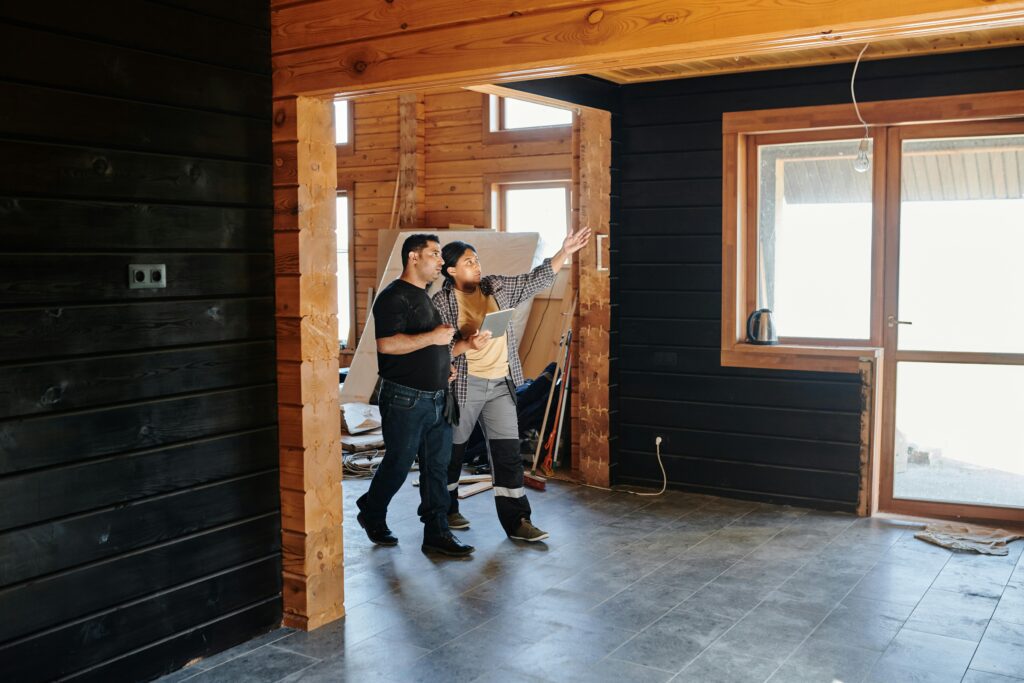
Older windows and doors often let out more warmth than expected. Triple-glazed windows have become an effective fix for this, especially in homes built more than 15–20 years ago. The extra layer of insulation reduces noise, prevents condensation, and helps keep the indoor temperature from fluctuating.
Composite doors have also proven themselves over time, particularly in homes that face harsh winds or rain. They stay rigid and resist swelling, which means fewer issues with sticking or uneven closing. Another popular and reliable option for renovations is uPVC doors, known for their stable frames, strong insulation, and ability to hold their colour year after year without much intervention.
Garden and Outdoor Materials Made for Long Use
Materials that can withstand continuous exposure are more important than ever since outdoor areas are being utilised nearly as frequently as inside spaces. Here, composite decking is at the forefront. It doesn’t fade unevenly, splinter, or require painting every summer. This makes it a solid long-term option for families looking for a garden area that requires little maintenance.
Additionally, porcelain pavers have established a strong reputation. They won’t discolour if anything spills during a BBQ, and they don’t break readily in frost. Because they remain sturdy and level even on patios with heavy foot activity, landscapers enjoy utilising them.
Why Material Quality Matters More Now
Durable materials save homeowners a lot of money over time, according to reports from the Energy Saving Trust. Better energy efficiency, fewer repairs, and less seasonal maintenance add up. A home built with solid, well-tested materials just seems more durable, especially during seasons when the weather can’t make up its mind.
Choosing long-lasting materials is about providing a home with a strong foundation that will support comfort, safety, and proper performance for many years to come, and not only about following trends.