Gardens have a way of becoming the favourite part of the house once a few thoughtful touches turn them from “grass and borders” into a proper outdoor living space. The difference often comes down to projects that are straightforward, don’t cost the earth, and make the area look and feel deliberately designed rather than accidental. Here are some of the most effective upgrades happening in gardens right now.
Crisp Garden Edging That Keeps Everything in Place
One of the easiest changes that makes a surprising difference is garden edging. It’s the sort of detail people often notice without realising why the space feels so tidy. Borders keep mulch where it belongs, stop the lawn from swallowing flower beds, and give pathways a sense of direction.
Different materials change the mood. Stone edging feels grounded and permanent. Metal edging brings a modern, crisp tone. Timber softens spaces and looks more relaxed. What homeowners are really leaning toward today are options that hold their shape for years. No twisting, no rotting, no repainting, just clean lines that keep the garden looking like someone cares about it.
Path and Border Lighting That Keeps the Garden Alive After Dark
Good outdoor lighting used to mean expensive electricians. The new generation of LED lights has changed all that. Options have grown beyond the old floodlights people used to bolt onto walls. Softer, smarter systems fit neatly into gardens now.
The U.K. Department of Energy has shared updated findings showing how LED lighting uses less energy and lasts longer than older bulbs, which explains why it’s showing up everywhere from patios to pathways. The appeal isn’t just practical; it feels good to spend time in a space that looks considered, even after dark.
For anyone building steps, retaining walls, or even a simple timber bench, slotting LED tape into aluminium channel produces a sleek, contemporary line that stays rust-free year after year and looks far more expensive than it actually is.
Raised Beds That Make Growing Easy and Attractive
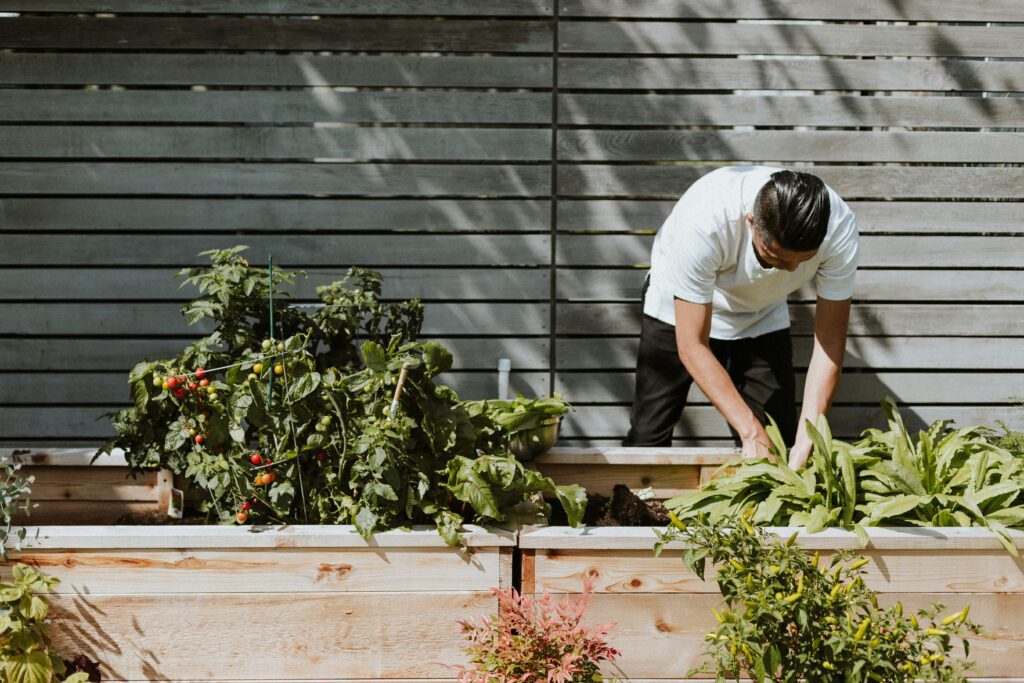
Heavy, wet soil and aching backs have put plenty of people off vegetable gardening, but raised beds solve both problems in one weekend.
Building them 50–70 cm high means no more kneeling in the mud, and the soil inside warms up faster in spring and drains better in winter.
Current favourites are untreated larch sleepers or the composite boards that never rot and keep their colour for a decade. Lining the base with weed membrane and filling with a mix of topsoil and compost creates perfect growing conditions. Many people now add a 10–15 cm wide flat board along the top edge, which turns the bed into handy extra seating when the grandkids visit or when there’s an unplanned sundowner with neighbours.
Creating a Real Sitting Spot That Gets Used Every Day
Even the smallest garden benefits from one properly thought-out seating area. A modest 3 m × 3 m corner is enough for a table and four chairs, or a simple L-shaped bench built against the fence.
Laying a stable base, whether gravel on membrane or a few large porcelain slabs on sharp sand, keeps shoes clean whatever the weather. Surrounding the spot with lavender, rosemary, or compact grasses instantly softens the look and fills the air with scent every time the sun warms the leaves.
The Calming Effect of Gentle Water
Moving water brings a garden to life in a way nothing else quite manages. For many homeowners, it becomes a focal point where birds stop by, and moments feel a little slower.
A simple solar-powered blade falling over slate, a bubbling millstone, or even a small ceramic bowl with a hidden pump instantly masks traffic noise and creates a peaceful focal point.
Today’s water features come in energy-efficient, low-maintenance formats that suit compact patios and larger landscapes alike.
Conclusion
These straightforward outdoor projects prove that big improvements don’t need big budgets or weeks of disruption. Sharp edging, soft evening lighting, productive raised beds, and a comfortable corner to sit all add up to a garden that feels like a natural extension of the house, somewhere the door gets left open, and people wander in and out all day long.